-

-

call us
+91-9888163636



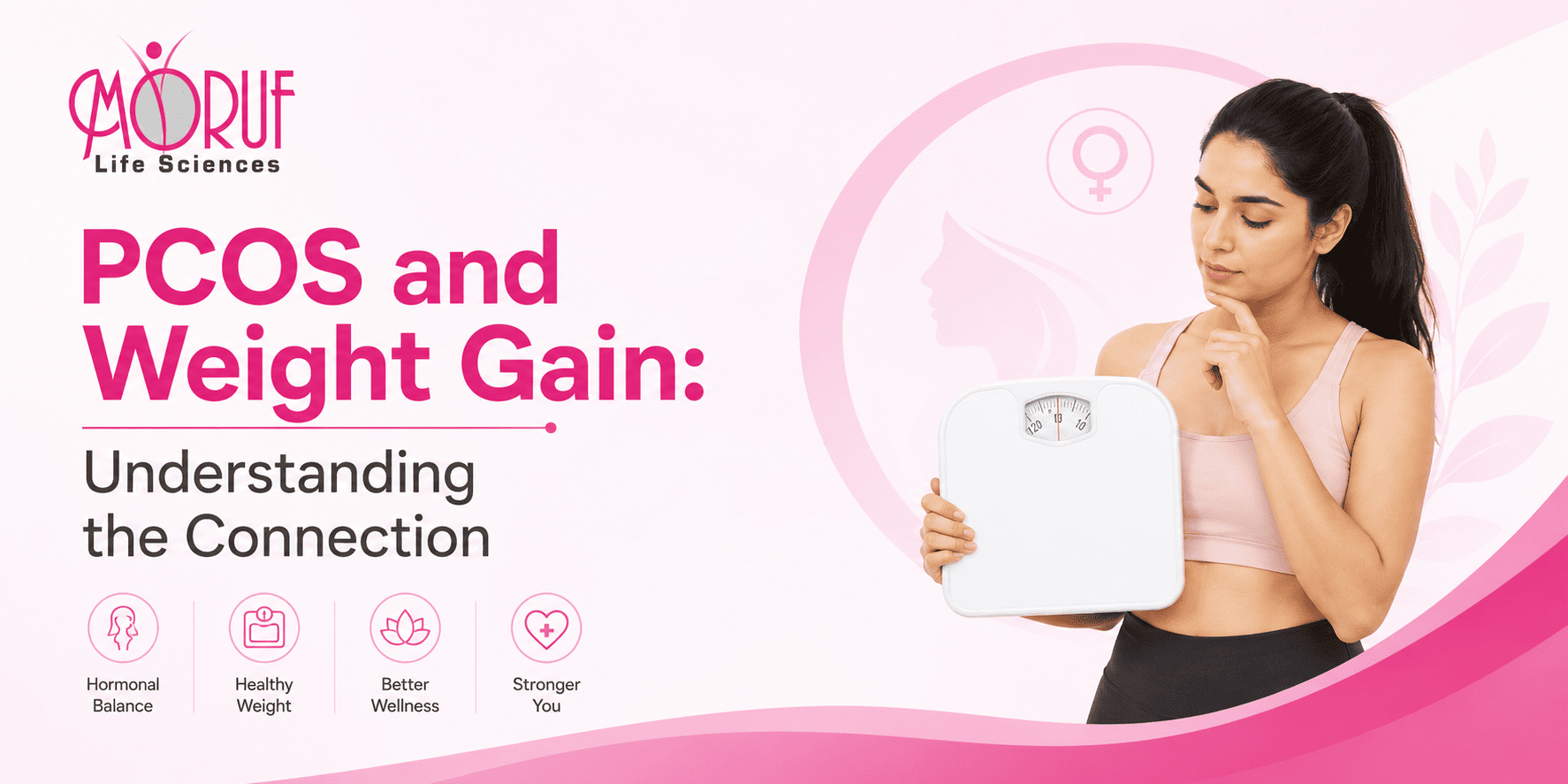
Polycystic Ovary Syndrome (PCOS) is a common hormonal and metabolic condition that can affect women during their reproductive years. It may cause irregular periods, changes in ovulation, acne, excess facial or body hair, fertility challenges, and metabolic concerns. Weight gain, particularly around the abdomen, is also commonly associated with PCOS. However, it is important to understand that PCOS and weight gain are connected in complex ways, and PCOS can affect women of all body sizes.
Understanding this connection can help women make informed decisions about nutrition, physical activity, medical care, and long-term health.
What Is PCOS?
PCOS is a hormonal disorder associated with higher-than-normal androgen levels and disrupted ovulation. According to the World Health Organization, PCOS affects an estimated 10–13% of women of reproductive age worldwide, although many cases remain undiagnosed.
Symptoms can vary significantly between individuals. Some women may experience irregular periods and acne, while others may primarily have fertility difficulties or metabolic concerns.
Importantly, having PCOS does not automatically mean that a woman will gain weight. Weight changes are influenced by multiple factors, including genetics, metabolism, lifestyle, sleep, stress, and individual health conditions.
Why Can PCOS Be Linked to Weight Gain?
One important factor is insulin resistance. Women with PCOS have an increased risk of insulin resistance, which means the body may not respond effectively to insulin. This can affect how glucose is handled and may contribute to metabolic changes and weight gain in some women.
Hormonal changes can also influence appetite, energy balance, and fat distribution. Some women with PCOS may experience increased abdominal weight, while others may have no significant weight change.
This is why PCOS management should focus on overall metabolic and reproductive health rather than weight alone.
Can Weight Management Help With PCOS?
Healthy lifestyle habits are an important part of PCOS management. The international evidence-based PCOS guideline recommends lifestyle interventions that can support healthy living, weight management, and emotional well-being. It also emphasizes that there is no single diet composition proven to be superior for all women with PCOS. Sustainable eating patterns should be adapted to individual preferences and health goals.
A balanced approach can include:
The goal should be better health and sustainable habits, rather than focusing only on the number on the weighing scale.
PCOS, Weight Gain and Long-Term Health
PCOS is not simply a reproductive health condition. It is also associated with a higher risk of metabolic concerns, including insulin resistance, type 2 diabetes, high blood pressure, abnormal cholesterol levels, and obesity.
Therefore, women diagnosed with PCOS should discuss appropriate health assessments with their healthcare professional. Depending on individual circumstances, healthcare providers may monitor blood glucose, cholesterol, blood pressure, menstrual health, and other risk factors.
Early attention to these areas can support better long-term women's healthcare.
How Moruf Lifesciences Supports Women's Healthcare
At Moruf Lifesciences, women's healthcare is a core focus. The company develops and markets a specialized range of gynecology and obstetrics products covering areas such as hormonal health, fertility, pregnancy care, nutritional supplementation, and other women's healthcare needs.
For women dealing with PCOS-related concerns, professional medical guidance is important before starting medicines, supplements, or major dietary changes. A healthcare professional can assess individual symptoms and recommend appropriate treatment and monitoring.
Moruf's focus on specialized Gynae products and women's healthcare solutions reflects the importance of addressing women's health needs across different stages of life.
Conclusion
The connection between PCOS and weight gain is complex. Insulin resistance, hormonal changes, genetics, lifestyle, and other metabolic factors can all play a role. At the same time, PCOS does not affect every woman in the same way, and body weight should never be the only measure of health.
A sustainable lifestyle, regular medical monitoring, appropriate treatment, and individualized healthcare can help women manage PCOS and protect their long-term well-being.
Frequently Asked Questions
Does PCOS always cause weight gain?
No. PCOS can affect women of all body sizes. Some women with PCOS experience weight gain, while others do not.
Why does PCOS cause weight gain?
PCOS may be associated with insulin resistance and hormonal and metabolic changes that can contribute to weight gain in some women.
Can losing weight cure PCOS?
There is currently no cure for PCOS. Lifestyle changes and appropriate medical treatment can help manage symptoms and reduce certain long-term health risks.
What diet is best for PCOS?
There is no single diet proven to be best for every woman with PCOS. Evidence-based guidance recommends sustainable healthy eating tailored to individual preferences, nutritional needs, and health goals.
Should women with PCOS take supplements?
Some women may require nutritional supplementation depending on their individual needs, but supplements should be taken after discussing them with a qualified healthcare professional.




 call us
 whatsapp
 contact us